Understanding Asphalt Driveway Lifespan in Dayton
If you own a home in Dayton, you know that our Ohio weather can be tough on driveways. The typical asphalt driveway lifespan ranges from 15 to 20 years under normal conditions, but in Dayton's climate, several factors can significantly shorten or extend that timeline. The freeze-thaw cycle that occurs during our winters is one of the most damaging forces your driveway will face. When water seeps into small cracks and freezes, it expands, pushing the asphalt apart and creating larger damage that spreads rapidly.
The lifespan of your asphalt driveway depends heavily on how well it was installed, the quality of materials used, and how consistently you maintain it. A properly constructed driveway with good drainage and regular seal coating can last well into its 20s, while a neglected driveway might begin showing serious signs of wear within 10 to 12 years. Understanding these variables helps you make informed decisions about whether your driveway is approaching the end of its useful life or if it simply needs some targeted maintenance.
The Freeze-Thaw Cycle: Dayton's Greatest Driveway Enemy
Dayton experiences an average of 20 to 30 freeze-thaw cycles each winter, and this constant expansion and contraction is the primary reason many local driveways fail prematurely. When temperatures drop below freezing, any moisture trapped in the asphalt or in the base layers expands as it turns to ice. This expansion creates pressure from within the pavement itself, weakening its structural integrity. When the temperature rises above freezing, the ice melts, and the pavement contracts, leaving tiny voids and gaps that weren't there before.
Over the course of a single winter season, your driveway endures dozens of these cycles. Each cycle causes microscopic damage that accumulates over time. What starts as hairline cracks in year two or three can develop into potholes and major surface deterioration by year seven or eight if left untreated. This is why homeowners in Dayton who invest in preventative maintenance see their driveways last significantly longer than those who wait until major damage appears. Seal coating every two to three years helps block water infiltration, which is the key to extending your driveway's life in our climate.
When to Consider Driveway Repair vs. Full Replacement
Knowing when your driveway needs Driveway Repair versus a complete replacement is crucial for budgeting and planning. If your driveway is less than 10 years old and showing isolated cracks or small potholes, repair is almost always the right choice. Pothole Repair & Asphalt Patching can address localized damage quickly and affordably, keeping your driveway functional for several more years. However, if damage is widespread across more than 30 percent of the surface, or if your driveway is between 15 and 20 years old with multiple problem areas, replacement or Asphalt Resurfacing & Overlay becomes more economical.
A good rule of thumb is to assess the overall condition and age together. A 12-year-old driveway with minor cracking might benefit from an overlay, which adds a fresh layer of asphalt over the existing surface at a fraction of the cost of full removal and replacement. A 19-year-old driveway showing signs of base failure, severe cracking, and rutting is likely beyond the point where repairs make sense. The best way to determine your driveway's true condition is to have a professional inspection. Dayton Asphalt Paving offers free assessments to help homeowners understand their options and make the right decision for their property.
Signs Your Dayton Driveway Is Nearing the End of Its Life
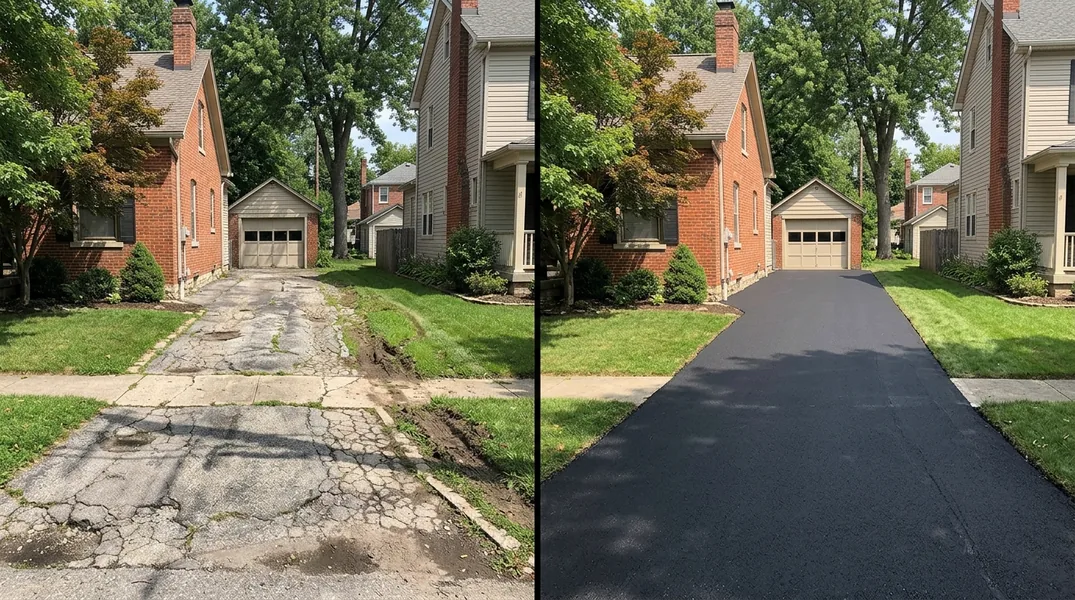
Several visual and structural indicators tell you when your asphalt driveway is approaching the end of its serviceable life. Extensive cracking, especially when cracks form a pattern resembling alligator skin, is a red flag that the base layer is failing and the surface is no longer holding together. Potholes that return after repair, soft or spongy spots when you walk on the driveway, and visible separation from your garage or foundation are all signs of advanced deterioration. If water pools on your driveway after rain instead of draining off, this indicates the surface has lost its slope and structural integrity.
Fading color, while not a structural problem, often indicates that UV damage and oxidation have weakened the asphalt binder. If your driveway is 15 years or older and showing three or more of these signs simultaneously, replacement is likely the most practical option. The cost of repeated repairs will eventually exceed the cost of new Asphalt Driveway Paving & Installation, and you'll gain the peace of mind that comes with a fresh, durable surface.
How to Extend Your Asphalt Driveway's Lifespan in Dayton's Climate
Preventative maintenance is the single most effective way to maximize your driveway's lifespan in Dayton's harsh climate. Seal coating every two to three years creates a protective barrier that prevents water from penetrating the asphalt. This simple step can add five to seven years to your driveway's life by reducing freeze-thaw damage. Additionally, filling cracks promptly before they expand prevents water from infiltrating deeper layers. Keeping your driveway clear of standing water, ensuring proper grading and drainage, and avoiding heavy loads during the spring thaw all contribute to longevity.
Regular cleaning removes debris that can trap moisture and accelerate deterioration. Avoid using salt or harsh de-icing chemicals if possible, as these can damage the asphalt binder. If you must use salt, apply it sparingly and rinse the driveway with fresh water when temperatures rise. These maintenance practices combined can realistically extend your driveway's life from the typical 15 to 20 years to 20 to 25 years or more. The investment in regular maintenance is minimal compared to the cost of premature replacement.
Asphalt Driveway Paving & Installation Cost in Dayton: What to Budget
Understanding the financial side of driveway replacement helps you plan ahead and avoid surprises. The cost of new Asphalt Driveway Paving & Installation in Dayton typically ranges from $3 to $5 per square foot for a standard installation, depending on site conditions, the condition of your existing base, and current material costs. For a typical residential driveway of 500 to 600 square feet, you should budget between $1,500 and $3,000 for a complete replacement. Overlay or resurfacing is less expensive, usually running $1.50 to $3 per square foot, making it an attractive option for driveways that still have a solid base.
For the most accurate estimate tailored to your specific driveway, contact Dayton Asphalt Paving at (937) 930-3543 or request a free estimate through our website. We'll evaluate your driveway's condition, discuss your options, and provide transparent pricing based on the work required. Investing in quality installation now prevents costly repairs later and ensures your driveway stands up to Dayton's demanding climate for years to come.
Looking for a professional asphalt paving contractor in Dayton? Dayton Asphalt Paving responds fast for all your asphalt paving needs.
Get a Free Quote