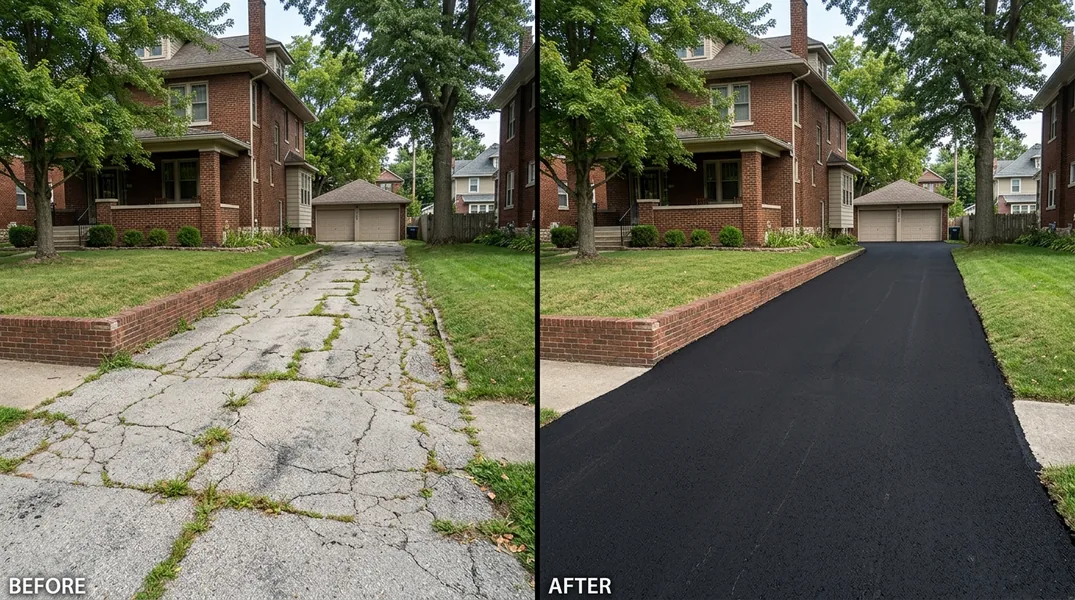
How Long for Asphalt to Cure: What Homeowners Need to Know
When you invest in a new Asphalt Driveway Paving & Installation in Dayton, understanding the curing process is essential to protecting your investment. New asphalt doesn't harden instantly. Instead, it goes through a gradual curing process that can take anywhere from 6 to 12 months, depending on weather conditions, asphalt thickness, and the quality of the installation. During this time, the asphalt continues to harden and strengthen as the oils within the material evaporate and the binder sets.
The first 24 to 48 hours are the most critical. During this initial period, the asphalt is still very soft and vulnerable to damage. Even light foot traffic or vehicle weight can leave impressions or cause rutting. Temperature plays a major role in how quickly the asphalt begins to set. Warmer weather accelerates the curing process, while cooler temperatures slow it down. In Dayton's climate, where temperatures fluctuate seasonally, the curing timeline can vary. This is why timing your driveway installation during the right season can make a significant difference in the overall durability and appearance of your new surface.
How Long Before You Can Drive on New Asphalt: A Timeline
One of the most common questions homeowners ask is, 'How long before you can drive on new asphalt?' The answer depends on several factors, but most professionals recommend waiting at least 24 to 48 hours before allowing any vehicle traffic on the newly paved surface. However, this is just the beginning of the curing timeline. While your driveway may feel firm after a couple of days, the asphalt is still relatively soft and can be damaged by heavy loads or prolonged pressure from parked vehicles.
For the first week after installation, you should avoid parking in the same spot for extended periods and keep heavy vehicles off the surface if possible. After one week, light daily driving is generally safe, but you should continue to avoid sudden acceleration, hard braking, or sharp turns that place excessive stress on the asphalt. Full curing typically takes 6 to 12 months, during which the asphalt continues to harden and reach its maximum strength. If you live in Dayton and have recently had your driveway installed, following these guidelines will help ensure your asphalt reaches its full potential and lasts for many years to come.
New Asphalt Driveway Care: Essential Steps for the First Year
Proper new asphalt driveway care during the first year is crucial for long-term performance and durability. Beyond simply avoiding heavy traffic, there are several proactive steps you can take to protect your investment. First, keep the surface clean by removing debris such as leaves, branches, and dirt that can trap moisture and promote deterioration. If you notice any small cracks or potholes beginning to form, address them promptly with Pothole Repair & Asphalt Patching services to prevent them from spreading and causing more extensive damage.
Avoid using rock salt or harsh de-icing chemicals during winter, as these can accelerate the breakdown of new asphalt. Instead, use sand or alternative ice melt products that are gentler on the surface. Additionally, keep an eye out for any signs of water pooling or drainage issues, as standing water can seep into the asphalt and weaken the base layer. During the first summer after installation, avoid parking heavy vehicles in the same spot for extended periods, as the heat can soften the asphalt and allow the weight to create permanent depressions. Finally, refrain from sealing your new asphalt for at least 6 months after installation, as the surface needs time to fully cure before applying a protective seal coat.
How Often to Seal Driveway: Building a Long-Term Maintenance Plan
Once your new asphalt has fully cured, establishing a regular sealing schedule is one of the most effective ways to extend its lifespan and maintain its appearance. So how often should you seal your driveway? Most experts recommend seal coating your asphalt every 2 to 3 years, depending on local climate conditions, traffic volume, and the quality of the previous seal coat. In Dayton, where winters can be harsh and UV exposure varies seasonally, staying on top of seal coating can significantly reduce the rate of deterioration and keep your driveway looking fresh and well-maintained.
Seal coating acts as a protective barrier against water infiltration, UV rays, and chemical damage from salt and oil spills. By applying a fresh seal coat every few years, you're essentially giving your asphalt a new protective layer that prevents oxidation and extends its overall lifespan by several years. The investment in regular seal coating is minimal compared to the cost of major repairs or complete Asphalt Resurfacing & Overlay work down the road. Think of it as preventative maintenance that pays for itself many times over. If you're unsure about the condition of your driveway or whether it's time for a seal coat, our team at Dayton Asphalt Paving can assess your surface and recommend the best course of action.
Preparing Your New Asphalt for Dayton's Winter Weather
Winter in Dayton presents unique challenges for new asphalt driveways. The freeze-thaw cycle, where water seeps into small cracks and then expands as it freezes, can accelerate damage to asphalt that hasn't fully cured. If your driveway was installed in late summer or fall, it's especially important to take extra precautions before winter arrives. Ensure that your driveway has proper drainage so that water doesn't pool on the surface or around the edges. Standing water is one of the primary culprits behind premature asphalt failure, particularly during winter months when temperatures drop below freezing.
Before the first snow, inspect your driveway for any small cracks or damage that may have developed during the curing process. Addressing these issues before winter is much easier and less expensive than dealing with them after freeze-thaw cycles have widened and deepened the damage. If you notice significant deterioration or are concerned about the condition of your driveway, contact Dayton Asphalt Paving at (937) 930-3543 to schedule an inspection. We can identify potential problems early and recommend appropriate solutions, whether that's targeted Driveway Repair or other maintenance. Taking these preventative steps now can save you thousands of dollars in repairs later.
When to Call a Professional: Signs Your New Asphalt Needs Attention
While new asphalt is generally durable, certain warning signs indicate that professional attention may be needed sooner rather than later. If you notice alligator cracking (a pattern of small, interconnected cracks that resembles alligator skin), soft spots where the asphalt feels mushy or depressed, or rapid deterioration in specific areas, these could signal underlying issues with the base layer, drainage, or installation quality. Don't ignore these signs, as they tend to worsen quickly if left unaddressed. Early intervention with professional free estimate services can prevent small problems from becoming expensive ones.
Another common issue is edge cracking, where the edges of the driveway begin to crack and crumble. This typically indicates inadequate edge support or poor drainage around the perimeter. If you're experiencing any of these issues with your new driveway, the experienced team at Dayton Asphalt Paving is here to help. We understand the unique challenges that Dayton homeowners face and can provide expert diagnosis and repair solutions. Whether you need minor patching, complete resurfacing, or just professional advice on how to care for your new asphalt, we're just a phone call away at (937) 930-3543. Don't wait until a small problem becomes a major repair project. Reach out today for a free estimate and let us help you protect your investment.
Looking for a professional asphalt paving contractor in Dayton? Dayton Asphalt Paving responds fast for all your asphalt paving needs.
Get a Free Quote